السؤال الذي يتكرر باستمرار
هل سبق لأحد أن اشترى من بائعي الكريستال بالجملة من الصين عبر إنستغرام؟ إنهم يتجولون في مجمع كبير يشبه المركز التجاري... كيف يربح البائعون المال؟ هل يرفعون الأسعار؟
ظهر هذا السؤال لأول مرة على منتدى r/Crystals قبل عامين، ولا يزال يتلقى ردوداً.
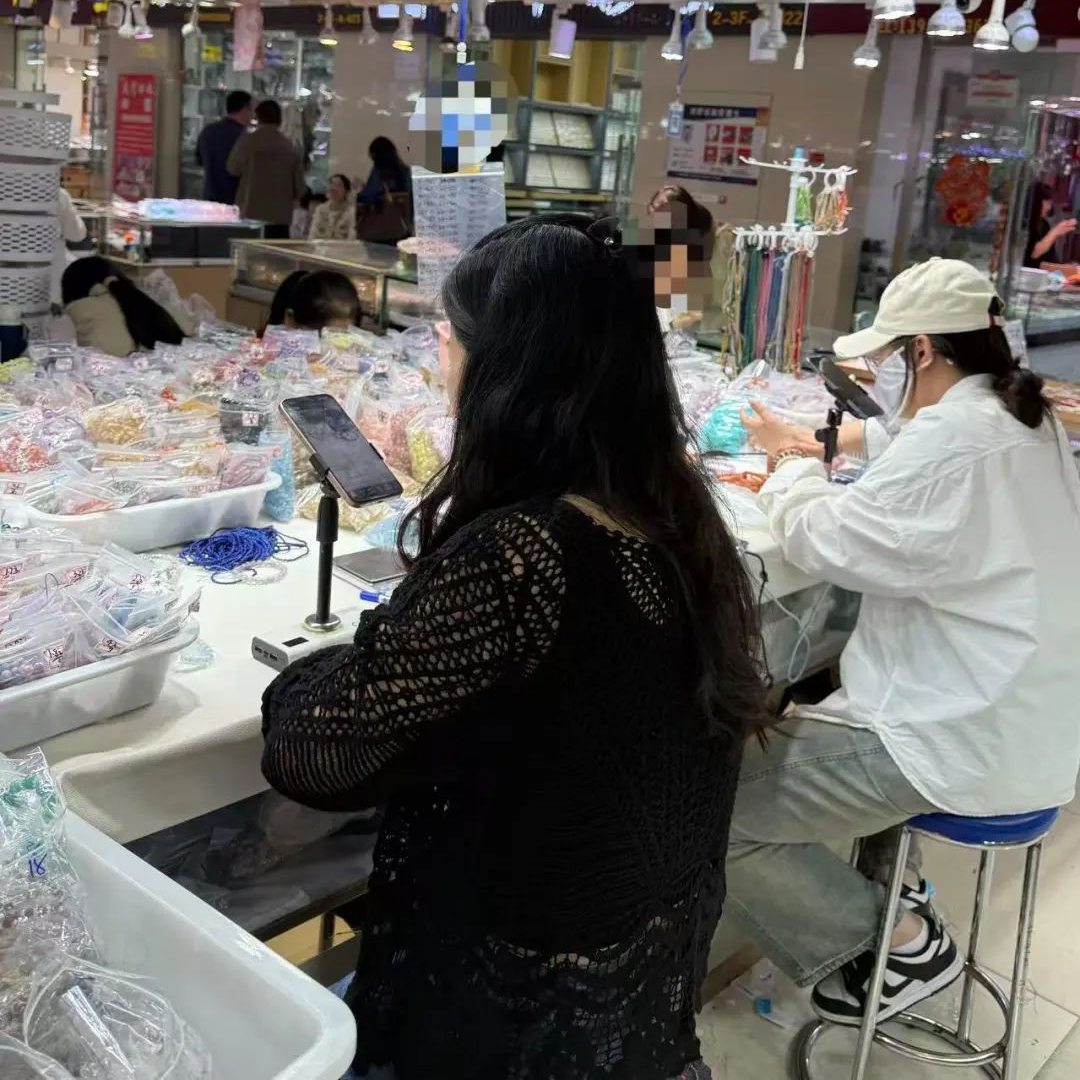
المشهد واضح لا لبس فيه: بث مباشر على إنستغرام، بائع يتجول في سوق مغطى ضخم، هاتفه في يده، يشير إلى البلورات المعروضة على الرفوف. الأسعار تبدو مغرية للغاية. من الواضح أن البائع في الصين. لكن من يكون؟ مصنع؟ تاجر جملة؟ وسيط؟
إليكم ما يحدث بالفعل.
المكان: مدينة دونغهاي الكريستالية
تأتي جميع هذه البثوث المباشرة على إنستغرام تقريباً من مكان واحد: مقاطعة دونغهاي في مقاطعة جيانغسو، الصين - "عاصمة الكريستال في العالم".
الأرقام مذهلة. تمتلك دونغهاي احتياطيات من الكريستال تبلغ حوالي 300 ألف طن، وتوظف أكثر من 300 ألف شخص في هذا القطاع.في عام 2024، تراجعت تجارة الكريستال في المقاطعة 46 مليار يوان صيني (حوالي 6.3 مليار دولار أمريكي)، حيث تمثل التجارة الإلكترونية 32 مليار يوان صينيمن المتوقع أن يتجاوز الإجمالي في عام 2025 60 مليار يوان صيني.
داخل مدينة دونغهاي كريستال - أكبر سوق لتجارة الكريستال في العالم - يوجد في كل متجر تقريبًا لافتة في واجهته مكتوب عليها باللغة الصينية "بث مباشر حصري".البائعون الذين تراهم على إنستغرام لا يصورون من مصنع، بل من مركز تجاري لبيع الجملة..
هذا أول شيء عليك معرفته. والآن دعونا نحلل من هم هؤلاء البائعون في الواقع.
الطبقات الثلاث لخط الأنابيب
لا يتشابه جميع بائعي البث المباشر على إنستغرام. فهناك ثلاثة نماذج متميزة تعمل في دونغهاي، ولكل منها هيكل تكلفة مختلف تماماً.
الطبقة الأولى: المشاة (المتسوقون / الوكلاء)
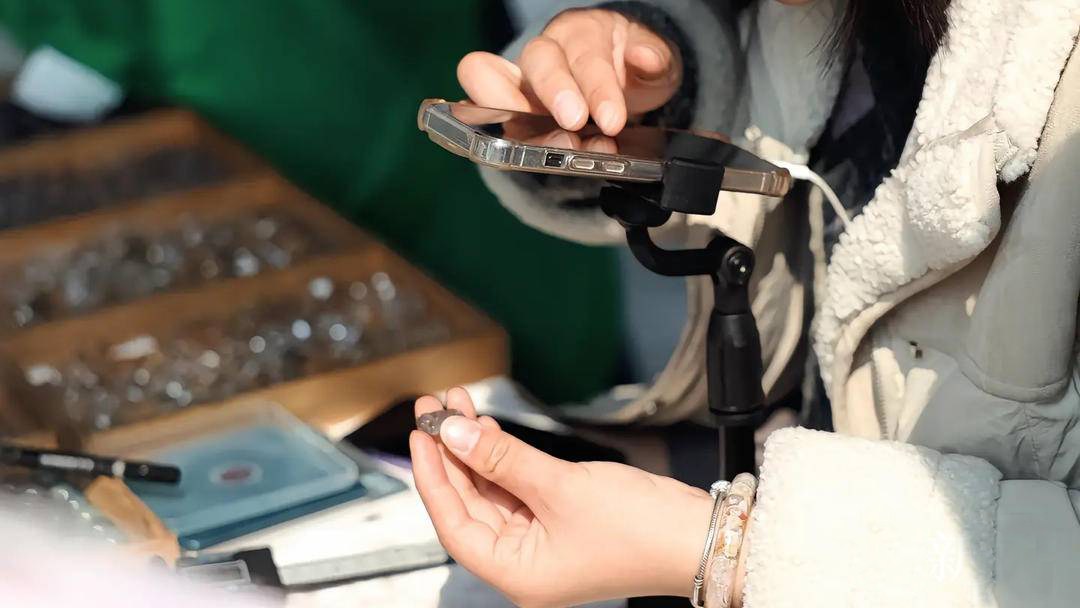
هؤلاء هم الأشخاص الذين تراهم في أغلب الأحيان على إنستغرام لايف. يتجولون في السوق بهواتفهم، ويلتقطون القطع، ويعرضونها على الكاميرا، ويتفاوضون على الأسعار في الحال.
ما هي؟ وكلاء مستقلون. لا يملكون المخزون. ولا يملكون مصنعاً. هم في الأساس متسوقون شخصيون يعملون بنظام العمولة.
كيف يربحون المال: يشترون من أصحاب الأكشاك بأسعار الجملة، ثم يضيفون هامش ربح على كل قطعة. 20-50% قبل بيعها لك. يغطي هامش الربح وقتهم، وإعدادات البث المباشر، وأرباحهم.
ما تدفع مقابله: الراحة والتنسيق. يمكنك مشاهدة العمل الفني في الوقت الفعلي، بينما يقوم شخص آخر بالبحث والتدقيق. لكنك تدفع مبلغًا إضافيًا مقابل هذه الخدمة، وما زلت بعيدًا عن المصدر الأصلي بخطوات عديدة.
الطبقة الثانية: أصحاب الأكشاك (تجار الجملة / الوسطاء)
هؤلاء هم الأشخاص الذين يملكون المتاجر داخل مدينة دونغهاي كريستال. لديهم بضائع مادية على رفوفهم، ويبيعون للمتسوقين، ولتجار التجزئة الآخرين، وأحيانًا مباشرة للزبائن النهائيين عبر البث المباشر الخاص بهم.
ما هي؟ تجار الجملة. يشترون من المصانع ومرافق المعالجة، ثم يعيدون بيعها إلى مشترين أصغر.
كيف يربحون المال: هامش ربحهم عادة 30-100% يتجاوز سعر البيع تكلفة المصنع، وذلك بحسب نوع السلعة ومهارة المشتري في التفاوض. وللتوضيح، ذكر أحد تجار الجملة في دونغهاي لأحد المراسلين أن قطعة تُباع بالجملة محليًا بسعر 1200 يوان صيني قد تُباع بـ 5000 يوان صيني أو أكثر بعد إضافة تكاليف التصنيع وهامش ربح البيع بالتجزئة..
ما تدفع مقابله: إمكانية الوصول إلى تشكيلة متنوعة. قد يعرض كشك واحد مئات القطع المختلفة. لكنك تدفع تكاليف التشغيل الخاصة بصاحب الكشك - الإيجار، ورواتب الموظفين، وهامش ربحه الخاص.
الطبقة الثالثة: المصانع
هذا هو المصدر الحقيقي للأحجار. تستورد المصانع الكريستال الخام، وتقطعه، وتنحته، وتصقله، ثم تنتج منه منتجات نهائية. وتبيع هذه المصانع منتجاتها بشكل أساسي لتجار الجملة وتجار التجزئة الكبار، وليس للمستهلكين النهائيين.
ما هي؟ المصنعون. فهم يمتلكون المعدات، ويوظفون الحرفيين، ويتحكمون في سلسلة توريد المواد الخام.
كيف يربحون المال: يعتمد ذلك على حجم الإنتاج. هوامش ربح المصانع أقل - عادةً 10-30% لكنهم يبيعون كميات أكبر بكثير من المنتجات.
ما تدفع مقابله: التكلفة الفعلية للحجر بالإضافة إلى أجور العمالة. لا هامش ربح للوسيط. لا إيجار للمكان. لا عمولة للوكيل.
فجوة الأسعار: مثال
دعونا نتتبع جزءًا واحدًا عبر خط الأنابيب.
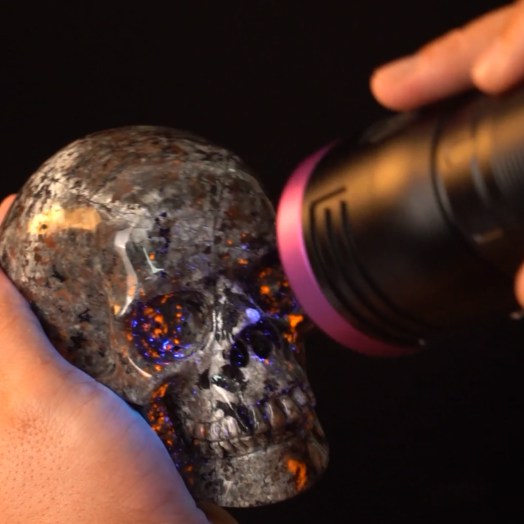
يبلغ سعر جمجمة صغيرة من الكوارتز الشفاف، يتراوح طولها بين 2.5 و 3.5 سم تقريبًا، حوالي 95 دولارًا أمريكيًا** من المصنعقد تُباع تلك الجمجمة نفسها، المعروضة في أحد الأكشاك بمدينة دونغهاي كريستال، لبائع متجول مقابل 130 إلى 150 دولارًا. وقد يبيعها لك هذا البائع، الذي يبثها مباشرةً على إنستغرام، مقابل 180 إلى 220 دولارًا..
أنت تدفع ضعف سعر المصنع تقريبًا - ولم تكن تعلم بوجود سعر للمصنع من الأساس.
يصبح التسعير أكثر دراماتيكية عند الإنتاج بكميات كبيرة. تكلفة مجموعة من الأحجار الكريستالية البيضاء الخام 20-80 يوان صيني للكيلوغرام قد ينتهي الأمر ببيعها على مستوى المصنع بأضعاف هذا المبلغ بعد مرورها عبر وسيطين أو ثلاثة..
السر الخفي وراء تسعير البث المباشر
إليكم ما لا يخبركم به المشاة: الأسعار التي تراها على بث إنستغرام المباشر ليست أسعار "الجملة".
إنها أسعار التجزئة متنكرة في صورة أسعار الجملة.
يستغلّ الباعة المتجولون أجواء السوق لخلق وهم الوصول إلى أسعار الجملة. ترى رفوفًا مليئة بالبلورات، وترى الباعة يتفاوضون مع صاحب أحد الأكشاك، فتظنّ أنك تحصل على سعر خاص. لكنك في الحقيقة تشاهد شخصًا هو نفسه زبون عادي لدى صاحب الكشك.
يأتي سعر الجملة الحقيقي من المصنع - والمصانع لا تقوم ببث مباشر على إنستغرام داخل مراكز التسوق. إنها مشغولة للغاية بتقطيع الأحجار.
إذن، من أين يجب أن تشتري؟
الأمر يعتمد على ما تحتاجه.
إذا كنت تشتري للاستخدام الشخصي، فإن جهاز المشي الخاص ببث مباشر على انستغرام مناسب - فقط اعلم أنك تدفع مبلغًا إضافيًا مقابل هذه التجربة.
لكن إذا كنت تشتري لإعادة البيع، فإن الحسابات تتغير بسرعة. فزيادة السعر بنسبة 30-50% في كل مرحلة تتراكم. وبحلول الوقت الذي تصل فيه القطعة إلى عميلك، تكون قد نافست أشخاصًا حصلوا على المنتج من مصادر أقرب إلى المصدر.
بديل المصنع
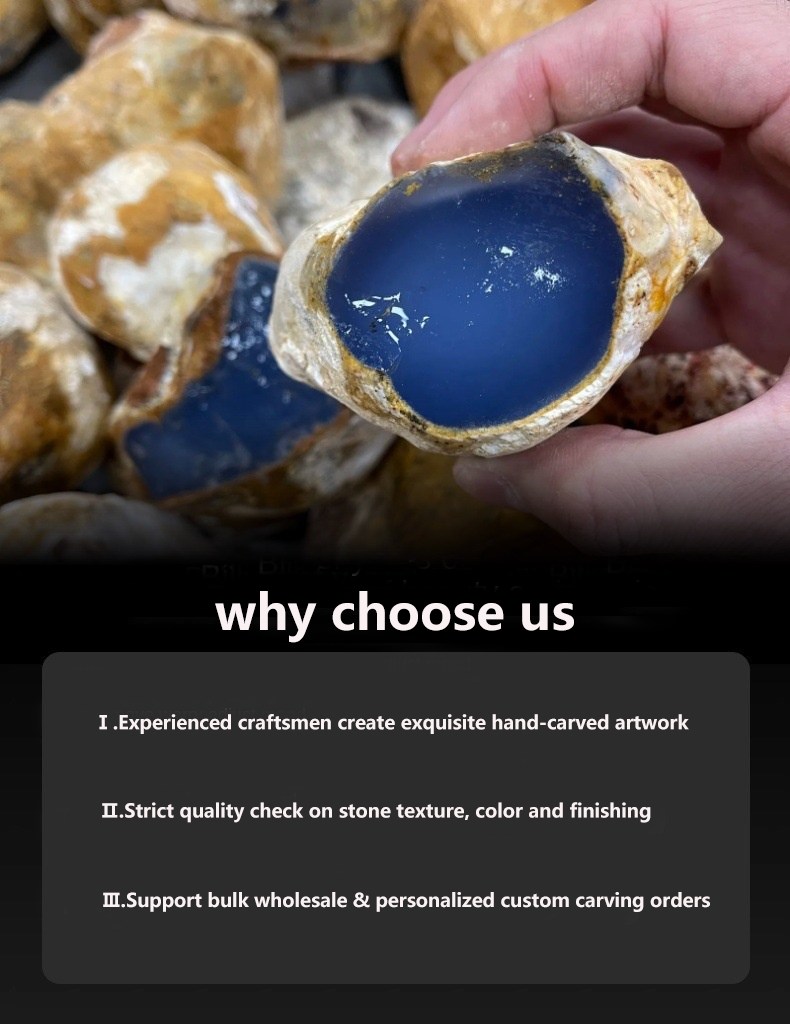
نصنع منحوتات الكريستال — جماجم, الحيوانات, كراتنصنع قطعاً حسب الطلب. لا نتجول في مراكز التسوق حاملين هواتفنا. ليس لدينا أكشاك. لدينا عجلات قطع، وآلات تلميع، وورشة عمل مليئة بالحرفيين.
عند الشراء مباشرة من المصنع، تتجنب هامش ربح صاحب المتجر، وعمولة البائع. تدفع ثمن الحجر واليد العاملة والشحن فقط، لا أكثر.
نقدم طلبات عينات، ومعاينة فيديو للمخزون الفعلي، وحد أدنى مرن للطلبات للمشترين الجدد في قطاع الأعمال. بدون مركز تجاري. بدون وسيط. الحجر مباشرة من المصدر.
بائعو البث المباشر على إنستغرام مسلّون. لكن إذا أردت معرفة السعر الحقيقي للكريستال، فلا تشاهد البث. تحدث إلى الأشخاص الذين قاموا بتقطيعه.


 English
 Français
 عربي
عربي Deutsch